
Truck driving is often perceived as a career focused solely on transporting goods from one location to another. While driving is at the core of the profession, the experience gained behind the wheel can open doors to a wide range of long-term career opportunities. From leadership and operations to logistics, training, and business ownership, truck driving experience provides a strong foundation for professional growth and stability.
At Truck U, students and drivers receive hands-on training and industry exposure that prepares them for more than just entry-level driving roles. Understanding how truck driving experience can translate into broader career paths helps drivers plan for advancement, higher earning potential, and long-term success.
Building Transferable Skills Through Truck Driving
Truck driving develops a wide variety of transferable skills that extend well beyond the road. Drivers must manage time efficiently, plan routes, follow safety regulations, and solve problems in real time—skills emphasized at any reputable truck driving school Las Vegas students rely on for career preparation. These abilities are essential not only in trucking but also in logistics, operations, and management roles.
Daily responsibilities also build accountability and independence. Drivers learn to meet deadlines, adapt to unexpected challenges, and maintain communication with dispatch and customers. These traits are highly valued by employers seeking dependable professionals capable of handling responsibility and making sound decisions.
Career Advancement Within the Trucking Industry
One of the most common career paths for experienced drivers is advancement within the trucking industry itself. Many drivers move into roles such as lead driver, safety coordinator, or fleet supervisor after gaining experience on the road.
These positions involve overseeing operations, mentoring new drivers, monitoring compliance, and improving efficiency. Drivers with strong safety records and leadership abilities often find these opportunities naturally available as they progress in their careers.
Truck U prepares drivers with the foundational knowledge and skills needed to pursue these advancement opportunities confidently.
Opportunities in Dispatch and Operations Roles
Truck drivers gain first-hand knowledge of routing challenges, delivery schedules, and operational constraints. This experience makes them strong candidates for dispatch and operations coordination roles.
Dispatchers play a critical role in keeping fleets running smoothly. Former drivers excel in these positions because they understand driver needs, road conditions, and realistic timelines. Their practical insight helps improve scheduling accuracy and communication across teams.
Training, Instruction, and Mentorship Paths
Many experienced drivers choose to transition into training or instructional roles as a way to share their knowledge while staying closely connected to the trucking industry. Becoming a trainer allows drivers to teach safe driving practices, regulatory compliance, and real-world skills to the next generation of professionals. These instructional roles often offer more predictable schedules while still providing a strong sense of professional fulfillment.
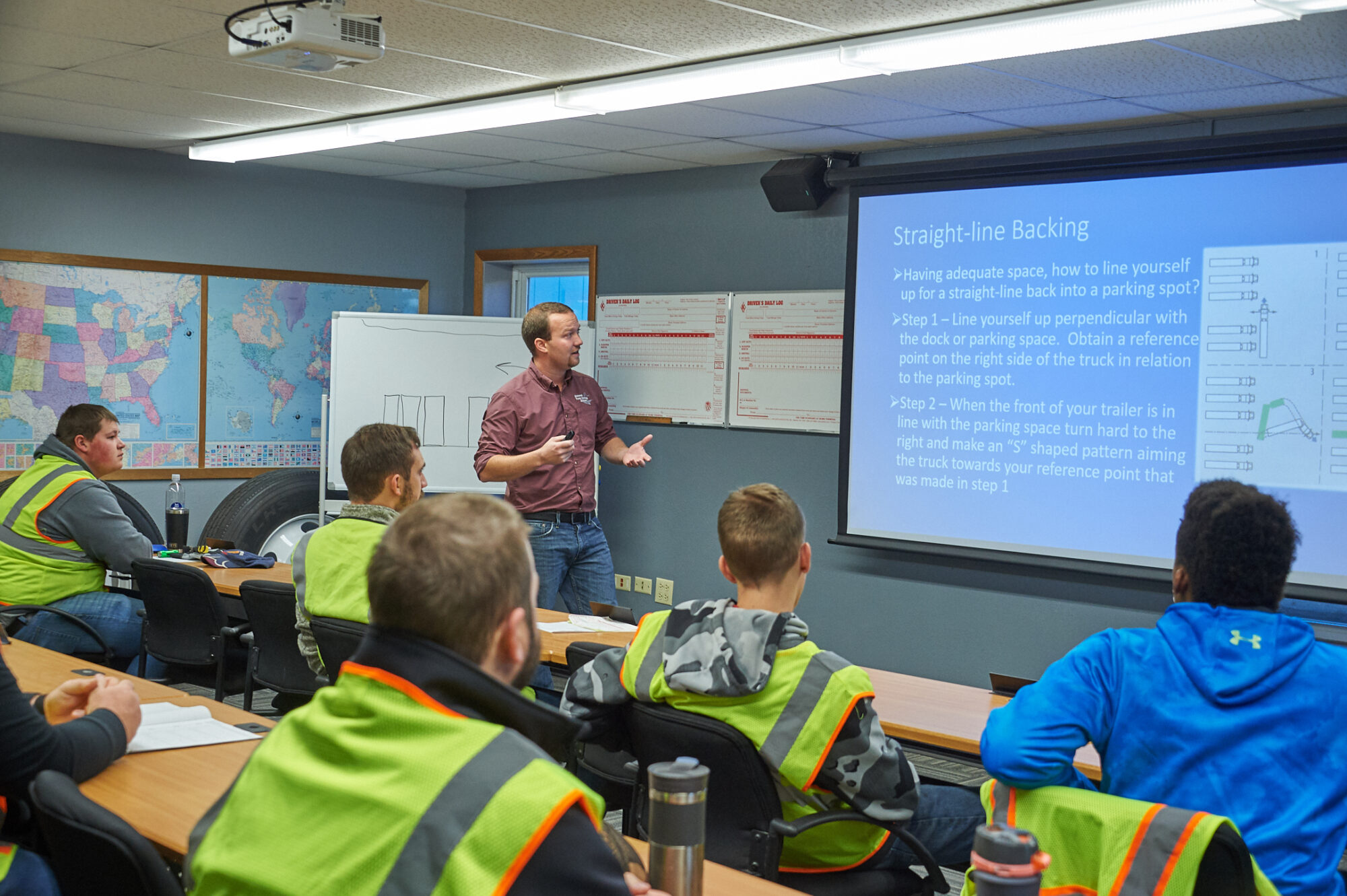
Truck driving experience builds the credibility, confidence, and practical insight needed to guide new drivers successfully. Through its commitment to education and career development, Truck U offers structured programs and mentorship-focused training that help experienced drivers develop the skills required for leadership and instruction. Learn more about Truck U’s mission, values, and training approach here.
Entrepreneurship and Owner-Operator Opportunities
Truck driving experience also opens the door to entrepreneurship. Many drivers choose to become owner-operators, managing their own trucks or building small fleets. Experience with routes, regulations, maintenance, and customer relationships provides a strong foundation for business ownership.
Some drivers expand further into transportation-related ventures, such as consulting or logistics support. These paths allow professionals to leverage their industry knowledge while gaining greater independence and financial control.
Expanding Into Logistics and Supply Chain Careers
The logistics and supply chain sector values professionals with hands-on transportation experience. Former truck drivers often transition into roles such as logistics coordinators, warehouse supervisors, or supply chain planners.
Because they understand delivery timelines, equipment limitations, and real-world transportation challenges, drivers bring valuable insight to planning and operations roles. Their experience helps organizations improve efficiency, reduce delays, and manage costs more effectively.
Evaluating Truck Driving as a Long-Term Career Path
Truck driving experience offers flexibility that supports long-term career stability and growth. As drivers gain experience and expand their skill sets, they can explore related roles within the transportation industry without needing to start over in an entirely new field. This adaptability allows professionals to shape their careers around changing goals, income expectations, and lifestyle preferences.
Many advanced positions within trucking and logistics also offer higher earning potential, improved schedules, and reduced physical demands compared to entry-level driving roles. For individuals considering whether this career path aligns with their long-term plans, understanding the benefits and challenges is essential. To explore whether a career in trucking is the right fit for your goals and lifestyle.
Using Education and Programs to Unlock Career Growth
Education and structured training play a critical role in expanding career opportunities. Professional programs help drivers build confidence, earn credentials, and prepare for advancement.
Truck U offers comprehensive training programs designed to support both entry-level drivers and those planning long-term career growth. Investing in proper education early helps drivers unlock more opportunities over time.
Truck Driving Experience Builds Long-Term Professional Confidence
Beyond technical skills, truck driving builds strong professional confidence. Drivers learn to make decisions independently, manage responsibility, and remain calm under pressure—qualities reinforced through truck driving paid training programs that prepare individuals for real-world challenges. These traits are highly transferable to leadership, operations, and training roles.
Communication skills also improve through daily interactions with dispatchers, customers, and support teams. Clear and professional communication supports advancement into supervisory, coordination, and instructional positions.
With experience and proper training, drivers gain the confidence needed to pursue new opportunities without hesitation.
Why Employers Value Experienced Truck Drivers
Employers across the transportation and logistics industries actively seek professionals with truck driving experience. These individuals understand real-world operations, safety compliance, and time-sensitive decision-making.
Hiring experienced drivers reduces training time and improves operational efficiency. Their reliability, discipline, and industry awareness make them valuable assets in leadership and planning roles.
Adapting to Industry Changes With Real-World Experience
The trucking and transportation industry continues to evolve with new technologies, regulations, and workforce demands. Drivers with hands-on experience are better equipped to adapt to these changes because they understand how industry shifts affect daily operations. From electronic logging systems to safety compliance updates, experienced drivers already have practical exposure to industry standards.
This adaptability allows drivers to transition smoothly into new roles as the industry grows. Whether supporting operations, coordinating logistics, or assisting with compliance initiatives, real-world driving experience provides valuable context that classroom learning alone cannot replace. As the transportation landscape continues to change, professionals with truck driving experience remain well-positioned to stay relevant, competitive, and prepared for long-term career growth.
Frequently Asked Questions
Can truck drivers move into management roles?
Yes. Many drivers transition into fleet management, safety, and operations positions.
Is truck driving experience useful outside of driving jobs?
Absolutely. Logistics, dispatch, training, and supply chain roles benefit greatly from driving experience.
Do drivers need additional education to advance?
Some roles require certifications, but experience combined with training opens many doors.
Can truck driving lead to business ownership?
Yes. Many drivers transition into owner-operators or start transportation-related businesses.
How can drivers plan long-term career growth?
Gaining experience, structured education, and industry knowledge is key.
Conclusion
Truck driving experience offers far more than time behind the wheel—it creates opportunities for long-term career growth across multiple industries. From leadership and logistics to training and entrepreneurship, drivers have many paths to explore when supported by the right education and experience.
If you are ready to build a strong future in trucking and beyond, contact Truck U today. Visit us to learn more about training opportunities and how truck driving experience can open new career options.