
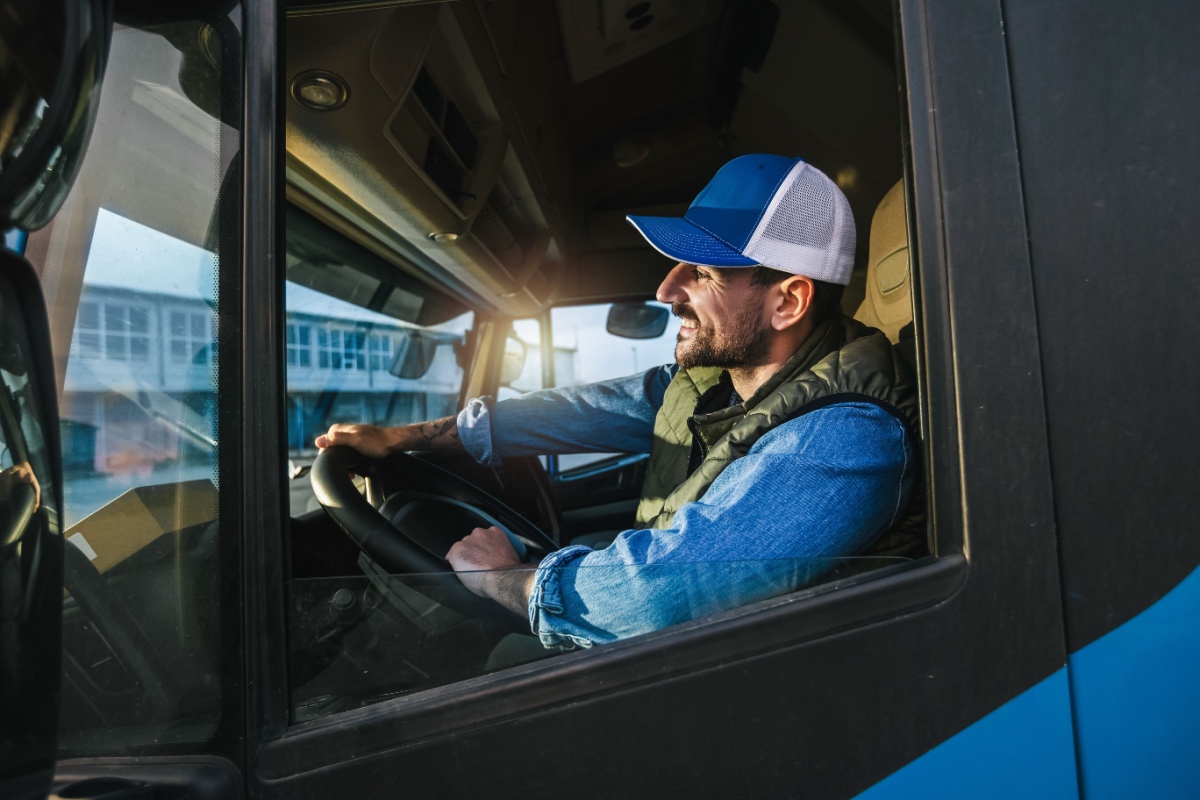
If you’re considering a career in trucking, one of the most common questions is whether you need prior experience before getting a Commercial Driver’s License (CDL). The short and reassuring answer is no — you do not need truck driving experience to begin CDL training. Most students who enroll in a professional CDL program start with zero commercial driving background.
Structured training programs are specifically designed to teach beginners everything they need to know, from classroom fundamentals and safety regulations to hands-on road skills and maneuvering techniques. At Truck U, students are guided step by step through the entire process so they can confidently transition from first-time learners to licensed commercial drivers. Those looking for professional CDL classes Las Vegas residents trust can gain the knowledge, practical experience, and preparation needed to pass the CDL exam and begin a rewarding career in the trucking industry.
Understanding What a CDL Is
A Commercial Driver’s License (CDL) is required to operate large commercial vehicles such as tractor-trailers, tanker trucks, flatbeds, and other heavy-duty vehicles. The Federal Motor Carrier Safety Administration (FMCSA) sets nationwide standards, while individual states administer licensing and testing. To better understand the federal rules that govern commercial drivers, this helpful guide on FMCSA regulations.
To obtain your CDL, you must pass both a written knowledge exam and a skills test. The skills portion includes a pre-trip vehicle inspection, basic control maneuvers like backing, and an on-road driving test. These are not skills you are expected to already have—they are taught during professional training. If you want to review available training options, you can explore the programs designed to prepare you for every step of the licensing process.
Why Experience Is Not Required Before CDL Training
Many people assume they need to already know how to drive a semi-truck before applying to a CDL school. This is a misconception. CDL training programs are designed specifically for individuals with no commercial driving experience. The process begins with classroom instruction covering safety regulations, road laws, air brake systems, logbook basics, and inspection procedures.
Once students understand the fundamentals, they move into range training where they practice backing, shifting, turning, and coupling trailers under instructor supervision. Only after mastering these skills in a controlled environment do they begin on-road training. This structured progression eliminates the need for prior experience and ensures students develop proper techniques from the start.
What You Actually Need Before Getting a CDL
While truck driving experience is not required, there are basic qualifications you must meet. You must be at least 18 years old to drive within Nevada (intrastate) and 21 years old for interstate driving. You must hold a valid driver’s license and pass a Department of Transportation (DOT) physical examination. Before completing your CDL skills test, you will also need to obtain a Commercial Learner’s Permit (CLP).
These requirements are part of the licensing process and are explained clearly during enrollment at a reputable truck driving school. Schools guide students through each step to ensure compliance with federal and state regulations.
The Role of Professional CDL Schools
Professional CDL schools play a critical role in preparing students for licensing and employment. Rather than expecting students to bring experience, instructors teach safe driving habits from day one. Training typically includes pre-trip inspections, defensive driving strategies, hazard awareness, gear shifting techniques, and highway driving procedures.
Students practice repeatedly until they feel comfortable operating large vehicles. By the time they take the state exam, they have already performed the required maneuvers multiple times under supervision. This structured approach is why experience is not necessary before enrolling.
For those searching for CDL training in Las Vegas, structured instruction ensures that beginners receive the skills and confidence needed to succeed.
Advantages of Starting Without Experience
Starting your CDL journey without prior experience can actually be beneficial. Students who are new to commercial driving often learn correct procedures more easily because they do not have unsafe habits that need correction. Professional instructors teach according to current industry standards, ensuring compliance with updated safety regulations.
Additionally, many trucking companies prefer hiring graduates from accredited CDL programs. Employers value formal training because it demonstrates that drivers have met federal training requirements and passed regulated examinations. Completing a reputable program improves both job readiness and career opportunities.
How Long Does It Take to Earn a CDL?
The time required to earn a CDL varies depending on the program structure. Many full-time CDL programs can be completed within three to six weeks, while part-time options may take longer to accommodate work or family schedules. During training, students progress through classroom instruction, range practice, and supervised on-road driving experience.
Because programs are designed for beginners, students are not expected to have any prior trucking knowledge. The curriculum builds progressively so that by the time students take the CDL test, they are fully prepared and confident behind the wheel. For those exploring paid CDL training opportunities in Las Vegas, some programs and carrier partnerships may offer tuition assistance or reimbursement options tied to employment agreements.
Job Opportunities After Earning a CDL
Once licensed, CDL holders can pursue a wide range of driving careers. Opportunities include long-haul trucking, regional routes, local delivery driving, refrigerated freight, tanker transport, and specialized hauling. The trucking industry continues to experience strong demand for qualified drivers across the nation.
Many entry-level drivers begin working with companies that offer mentorship programs. This allows new drivers to gain experience while earning income. Completing professional CDL training significantly increases employability and earning potential.
Financial Considerations and Paid CDL Training
Cost is a common concern for prospective students. However, several financial assistance options may be available. Some carriers offer tuition reimbursement programs or paid CDL training agreements in exchange for employment commitments. To better understand available payment options and funding strategies, review this helpful guide on financing your CDL training.
Exploring funding opportunities with admissions advisors can help you determine the best pathway for your situation. Investing in CDL training is often viewed as investing in a long-term, stable career with consistent industry demand and growth potential.
Common Myths About CDL Experience
One common myth is that only individuals who have driven large vehicles before can pass the CDL test. In reality, the test measures skills that are taught during professional training. Another misconception is that trucking companies only hire drivers with years of experience. While certain specialized roles require additional experience, many carriers hire newly licensed graduates.
With structured instruction and commitment, beginners can transition into professional drivers within weeks.
Frequently Asked Questions
Do I need truck driving experience before enrolling in CDL school?
No. Most CDL students start with no prior commercial driving experience.
How long does CDL training take?
Full-time programs typically take between three and six weeks.
Can I get hired right after earning my CDL?
Yes. Many trucking companies hire entry-level drivers who have completed accredited training.
Is paid CDL training available?
Some companies offer tuition reimbursement or sponsored training programs.
What if I have never driven a manual transmission?
CDL training includes instruction on shifting and vehicle control, so prior manual experience is not required.
Conclusion
You do not need prior experience to get a CDL. Professional CDL training programs are designed to teach beginners every skill necessary to operate commercial vehicles safely and pass state licensing exams. From classroom education to supervised road driving, structured programs prepare students for real-world trucking careers. If you are ready to take the first step toward becoming a commercial driver, now is the time to begin your journey.
Call us at 702.533.3565 for a free consultation to discuss your case, or please submit a form through here.